November 12, 2026
Heavy rainstorms can overwhelm standard drainage systems, especially in Georgia, where seasonal thunderstorms and tropical weather bring intense rainfall. Properly sized gutters help manage runoff, protect roofs and foundations, and reduce water accumulation around properties. Installing gutter covers can further support drainage performance by limiting debris buildup and helping maintain consistent water flow during severe weather.
Understanding the Importance of Gutter Capacity
A gutter system is designed to collect rainwater as it flows off a roof and direct it toward designated drainage areas. Its capacity determines how much water it can handle before runoff begins spilling over the edges. When gutters cannot accommodate the volume of rainfall reaching them, water may overflow and accumulate around parts of the property.
Several factors influence how much water a gutter system needs to manage. Roof size, slope, surface area, and the number and placement of downspouts all affect how quickly rainwater enters the drainage system. Properties with larger roof surfaces generally collect more runoff, making gutter capacity particularly important during heavy storms.
High-capacity gutters are designed to accommodate greater water volumes than smaller systems. When properly sized and installed, they can help maintain consistent drainage during periods of intense rainfall. This is especially valuable in Georgia, where sudden downpours can deliver substantial amounts of rain within a relatively short period.
Choosing an appropriate system involves evaluating the property's specific drainage requirements rather than assuming that one gutter size will work for every home.
Improving Water Management During Heavy Rainstorms
One of the primary advantages of high-capacity gutters is their ability to handle substantial amounts of runoff. During a heavy rainstorm, water can move quickly across a roof and enter the gutter system in large quantities. If the system has insufficient capacity, water may spill over the sides instead of reaching the downspouts.
Overflowing rainwater can affect several areas of a property. It may collect near exterior walls, saturate landscaping, wash away mulch, or create pooling around walkways and other outdoor surfaces. Repeated exposure to excess moisture can also contribute to problems around the home's foundation.
A properly designed high-capacity system helps move rainwater away from the roof and toward appropriate drainage locations. Larger gutters, adequate downspout placement, and properly configured drainage components work together to support effective water movement.
For Georgia homeowners, this capability is particularly useful during spring and summer thunderstorms. Rainfall intensity can increase quickly during these weather events, making reliable drainage an important consideration for residential properties.
Protecting Rooflines and Exterior Features
Gutters play an important role in protecting the edges of a roof and other exterior components from unnecessary water exposure. When rainwater consistently overflows, it may run down fascia boards, siding, and other surfaces that are not intended to manage continuous runoff.
Over time, repeated moisture exposure can contribute to deterioration, staining, and other forms of water-related damage. Water that backs up near the roofline may also affect nearby roofing components, particularly when gutters are clogged or drainage is restricted.
High-capacity gutters help reduce the likelihood of overflow when the system is appropriately matched to the roof's drainage requirements. By providing sufficient space for rainwater to travel toward downspouts, they support more controlled water movement during storms.
Proper installation is equally important. Gutter pitch, secure attachment, and downspout positioning all influence how effectively the system performs. Even larger gutters may experience drainage problems when these elements are not properly addressed.
Combining appropriate capacity with professional installation helps homeowners establish a drainage system designed to accommodate their property's needs.
Reducing Foundation and Landscape Concerns
Water management extends beyond the roofline. Where rainwater eventually travels can have a significant effect on the condition of a property's foundation and surrounding landscape.
When gutters overflow or downspouts release water too close to the home, runoff may accumulate around the foundation. Persistent moisture in these areas can contribute to soil saturation and increase the potential for water intrusion or other moisture-related concerns.
Landscaping can also be affected by uncontrolled runoff. Heavy water flow may displace mulch, erode soil, damage planting beds, and create muddy areas around the property. These issues can become more noticeable during periods of frequent rainfall.
High-capacity gutters help manage runoff by directing larger volumes of water toward designated discharge points. When combined with appropriately positioned downspouts and suitable drainage arrangements, they can help limit unnecessary water accumulation near the home.
Homeowners should consider the entire drainage path when evaluating gutter improvements. The goal is not simply to collect rainwater but to move it away from vulnerable areas in a controlled manner.
Supporting Drainage With Gutter Protection
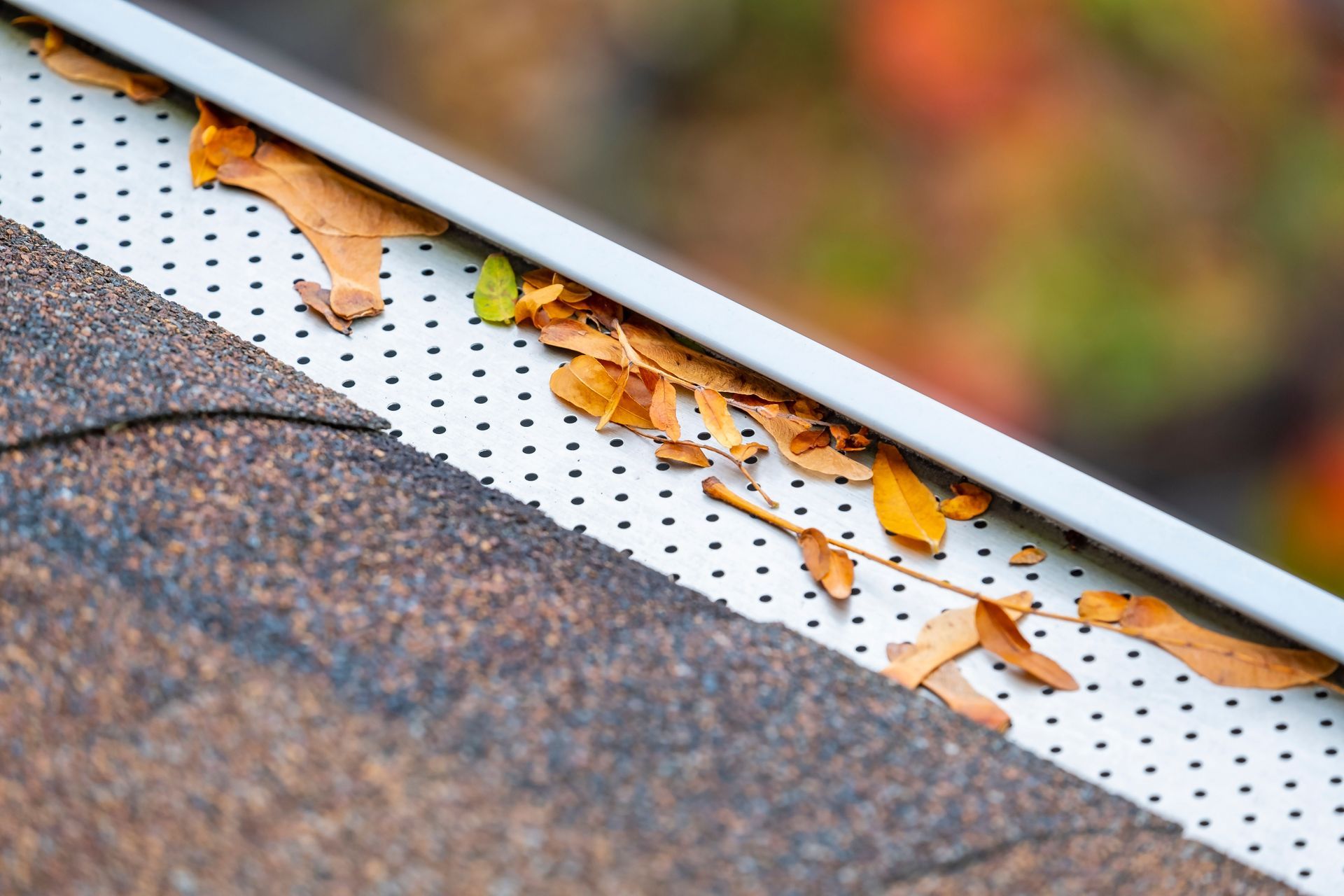
Debris accumulation is another factor that can affect gutter performance during heavy rainfall. Leaves, twigs, roof granules, and other materials may enter open gutters and gradually restrict water movement. Even a system with substantial capacity can experience overflow when debris blocks the channels or downspouts.
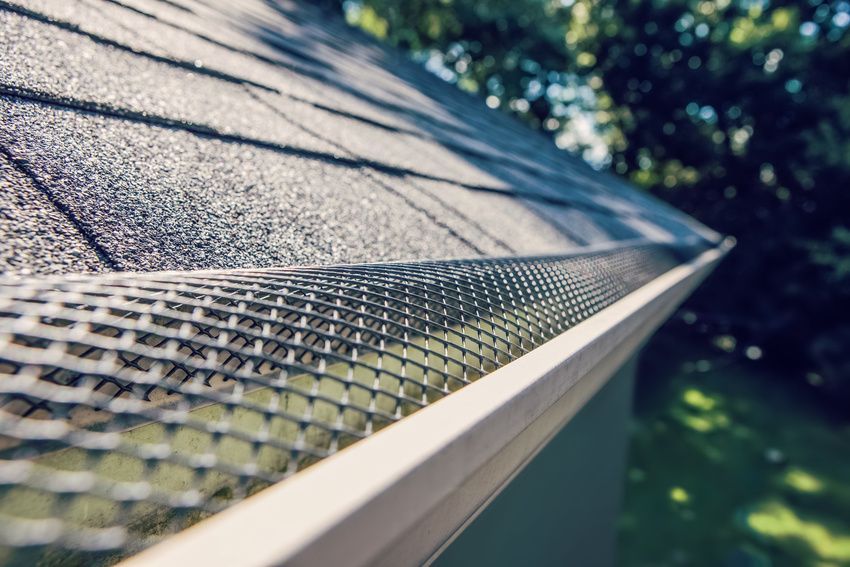
Gutter covers provide an additional layer of protection by helping limit the amount of debris entering the system. Depending on their design, these products allow rainwater to enter while reducing the accumulation of larger materials.
This can be particularly beneficial for Georgia properties surrounded by mature trees. Seasonal leaf fall, spring pollen, and storm-related debris can introduce additional maintenance concerns throughout the year.
According to Home Experts List, high-quality gutter guard systems generally require removal and cleaning only once every 1 to 2 years. Actual maintenance frequency can vary depending on surrounding vegetation, weather exposure, and product design, but protective systems can help reduce routine debris accumulation.
When evaluating gutter covers, homeowners should consider compatibility with their existing gutter configuration, roof design, and local environmental conditions. Selecting an appropriate system helps support drainage performance while reducing the amount of debris that reaches the gutters.
Choosing Materials for Long-Term Performance
Gutter material is another important consideration when planning a high-capacity drainage system. Different materials offer varying characteristics related to durability, appearance, maintenance, and resistance to environmental exposure.
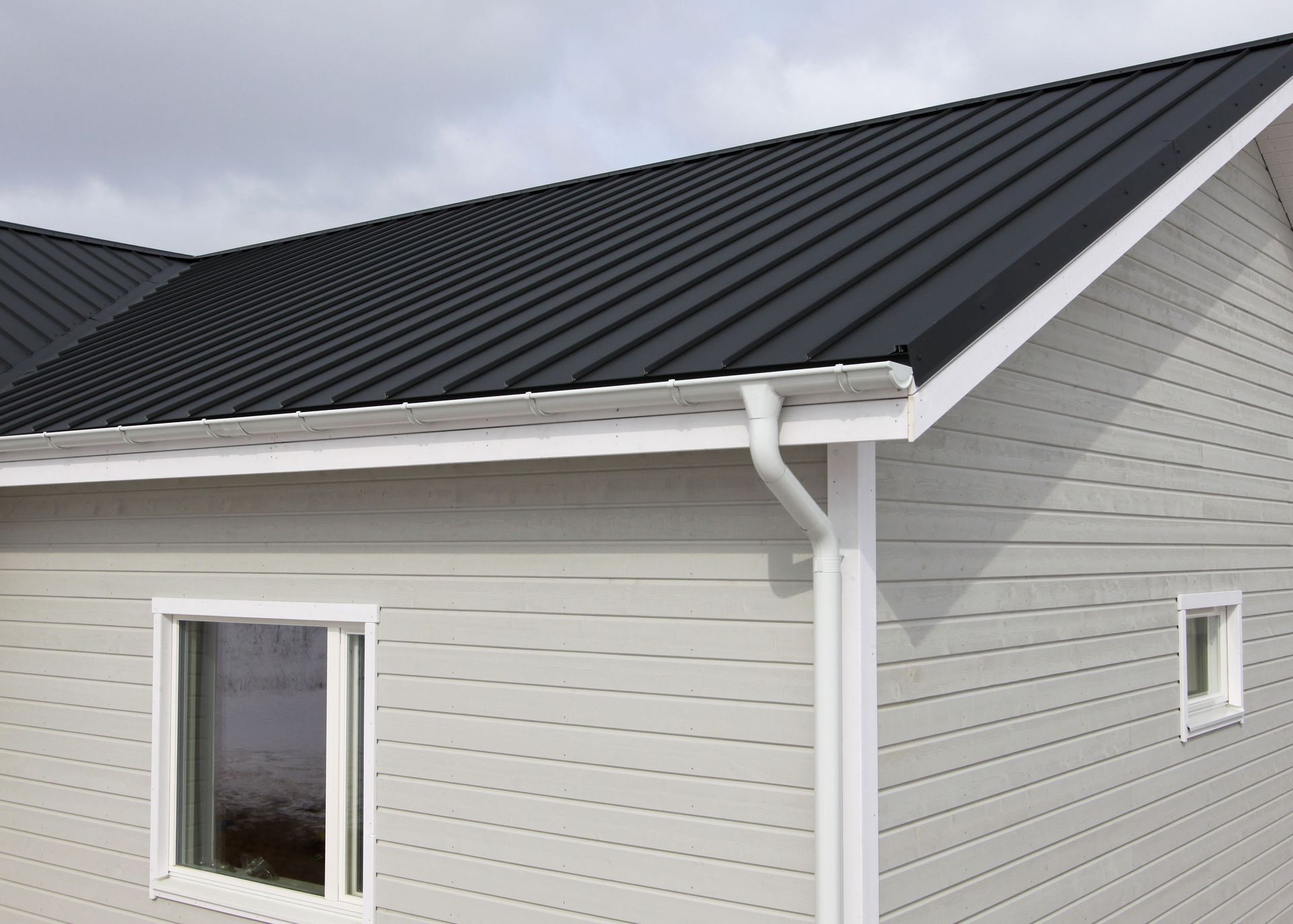
Aluminum is commonly used for residential gutters because it is relatively lightweight and resistant to rust. It is available in different colors and configurations, making it suitable for many exterior designs. Other options, including steel and copper, offer different performance and appearance characteristics depending on the property's requirements.
Georgia's climate makes material selection particularly relevant. High humidity, intense sunlight, seasonal storms, and temperature fluctuations can influence how exterior components perform over time.
Properly installed gutter covers and securely fastened gutters support long-term performance by managing water weight and environmental exposure. A professional evaluation helps homeowners select suitable materials, connections, and downspout configurations based on roof dimensions, drainage requirements, and exterior preferences.
Maintaining Consistent Gutter Performance Throughout the Year
Even high-capacity gutters require periodic attention to maintain effective drainage. Debris, sediment, and other obstructions can accumulate over time, potentially restricting water movement and reducing the system's ability to handle heavy rainfall.
In Georgia, seasonal maintenance considerations may vary throughout the year. Spring storms can introduce branches and other debris, while summer thunderstorms may expose existing drainage problems. Fall can bring additional leaves and organic material, particularly around properties with substantial tree coverage.
Regular inspections help identify gutter alignment issues, loose attachments, and drainage concerns. Gutter covers reduce debris accumulation but still require occasional attention. Professional maintenance helps preserve proper water flow, address developing problems, and keep the drainage system prepared for future heavy rainstorms.
Evaluating the Right Gutter System for Your Property
Not every home requires the same gutter configuration. A property's roof dimensions, architectural design, surrounding trees, and exposure to heavy rainfall all influence which system may be appropriate.
Homes with expansive or steeply pitched roofs may collect substantial amounts of rainwater, particularly during intense storms. Properties with complex rooflines may also have concentrated runoff points where additional drainage capacity is needed.
A professional assessment can identify undersized gutters, recurring overflow, roofline stains, soil erosion, and poor downspout placement. Properly selected gutter covers and appropriately sized drainage components help manage runoff more effectively. Professional guidance ensures the entire system works together to support reliable water management during heavy rainstorms.
High-capacity gutters help manage heavy rainfall, protect exterior features, and direct runoff away from vulnerable areas. In Georgia, properly sized gutter covers and routine inspections support consistent drainage. Contact Gutter Perfection, Inc to discuss gutter installation and protection options for your home before the next major rainstorm.